

Last summer, I booked a flight for about 40% less than usual, just by using smart booking habits. These habits can cut travel costs even when airfare is high, as airlines constantly adjust prices based on demand, route, season, and seats left. If you’re looking for affordable options, consider searching for cheap flights in 2026.
Instead of trying to “beat the system” once, the goal is to use tools and timing to nudge you toward better deals every time you book.
Get the best prices by staying flexible, tracking fares over time, and booking within a sensible window, not by chasing secret tricks.
Fares for the same flight shift several times a day, so use technology to monitor prices and focus on dates and destinations that suit you. Flexibility turns price alerts into opportunities for new trips.
Top 10 Flight Hacks for 2026
With careful planning, you can easily find cheap flights in 2026 and make the most of your travel budget.
1. Use Google Flights Explore Map for Flexible Destinations
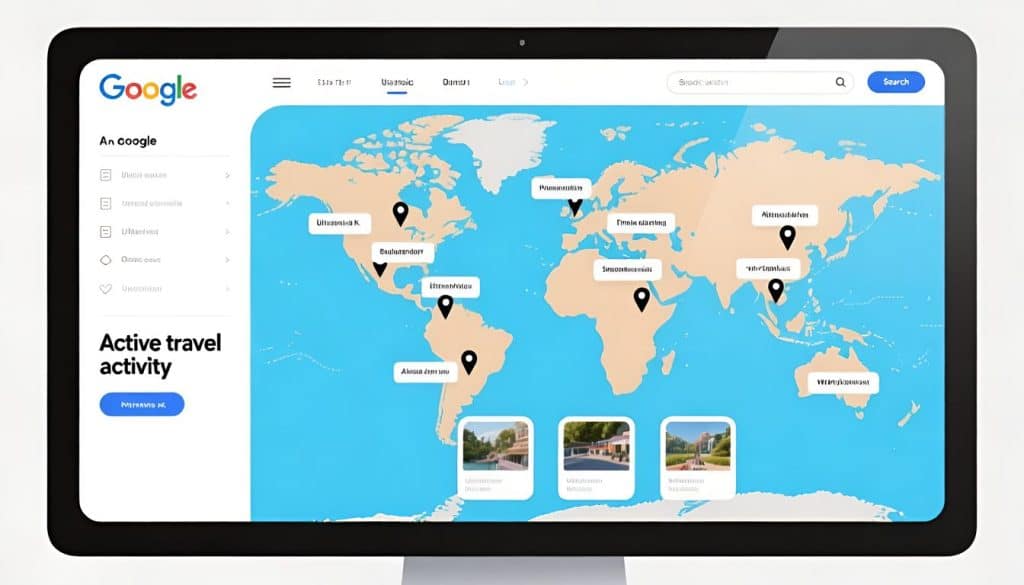
If you’re flexible about your destination, start with a map rather than a single search. Google Flights Explore lets you enter your home airport, pick dates, and scan global prices.
Filter for nonstops, regions, trip length, and timing (e.g., “one week in the next six months”) to find destinations that are much cheaper than others for a similar trip style.
This works when you want “a beach break” or “a European city” rather than a specific airport.
Families, long-term travelers, and digital nomads use this method to choose trips based on value, turning “where can we afford to go?” into a quick, visual decision rather than a guessing game.
2. Skip the Cookie Myths and Keep Searches Consistent
Many travelers worry that repeatedly searching will raise fares just for them, or that airlines quietly raise prices because of cookies.
In reality, the ups and downs people see are driven by dynamic pricing and seat sales, not their browsing history.
Instead of chasing incognito tricks, build a consistent search habit: exact dates, airports, cabin, and baggage filters. That way, you know price changes are fundamental, not due to settings.
If private browsing gives peace of mind, use it, but treat it as optional. You’ll save more time comparing a few good tools and setting alerts than constantly clearing your cache.
3. Set Up Price Alerts on Multiple Platforms to Find Cheap Flights In 2026
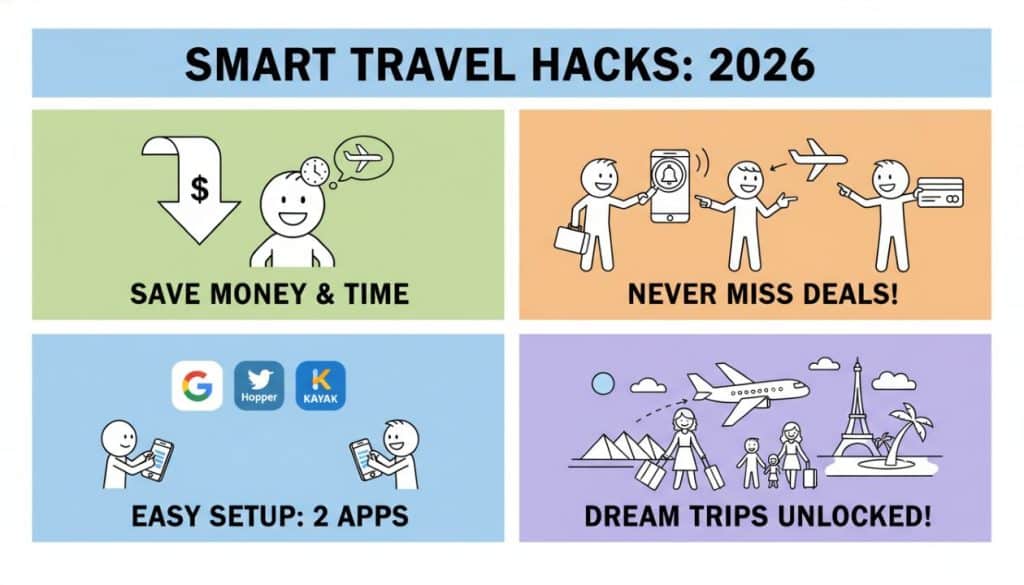
Price alerts save time by monitoring fares for you. Choose your route and dates, then let the tools notify you of price changes.
Google Flights, Hopper, and Kayak monitor fares for specific routes and dates. Google Flights gives a broad view of trends, while Hopper specializes in flagging when prices may rise or fall.
Alerts shine on international routes and during peak seasons, when short sales vanish fast. For necessary trips, set alerts in at least two apps or sites so you have a backup if one app or site misses a brief price drop.
Price alerts save time by monitoring fares for you and flagging genuine dips, so you only act when there’s a meaningful change.
4. Book on Sundays and Use Smart Timing Windows
Extensive booking studies show that, on average, Sunday is a better day to buy flights than Friday or Monday.
While not every Sunday is the cheapest for every route, if you want to pick a single day to book, Sunday is a solid choice.
When you book matters most. Book domestic flights 1–3 months ahead, and book international or long-haul trips 2–8 months out, especially for holidays and school breaks.
Don’t stress about hitting a perfect moment. Staying within general windows and avoiding last-minute bookings help your budget more than exact timing.
5. Use the 24‑Hour Free Cancellation or Hold Rule (U.S. Routes)
For flights that start, end, or connect in the United States, airlines must offer either a free 24-hour hold or cancellation if you book at least 7 days before departure.
You can lock in a fare, then take a day to double-check dates, compare options, or find a better itinerary. If eligible, cancel or modify within the window without a fee.
This works best when booking directly with the airline or official channels, which display the 24-hour policy. Third-party sites can be stricter, so read the fine print before relying on this.
6. Mix and Match One‑Way Tickets on Different Airlines
Instead of booking a round-trip with one airline, try pricing separate one-way tickets.
A low-cost carrier may be the cheapest for outbound travel, and a full-service airline might offer the best return, making the combo more affordable than a round-trip.
Some platforms create “self-transfer” itineraries combining low-cost and legacy airlines on separate tickets, with added connection protection. This reveals routes and prices that round-trip searches miss.
The trade-off: you must watch baggage rules, connection times, and check-in cut-offs, since separate tickets mean airlines won’t protect you. This works best for those with carry-ons and flexible layover tolerance.
7. Search Nearby Airports and Consider Sensible Connections
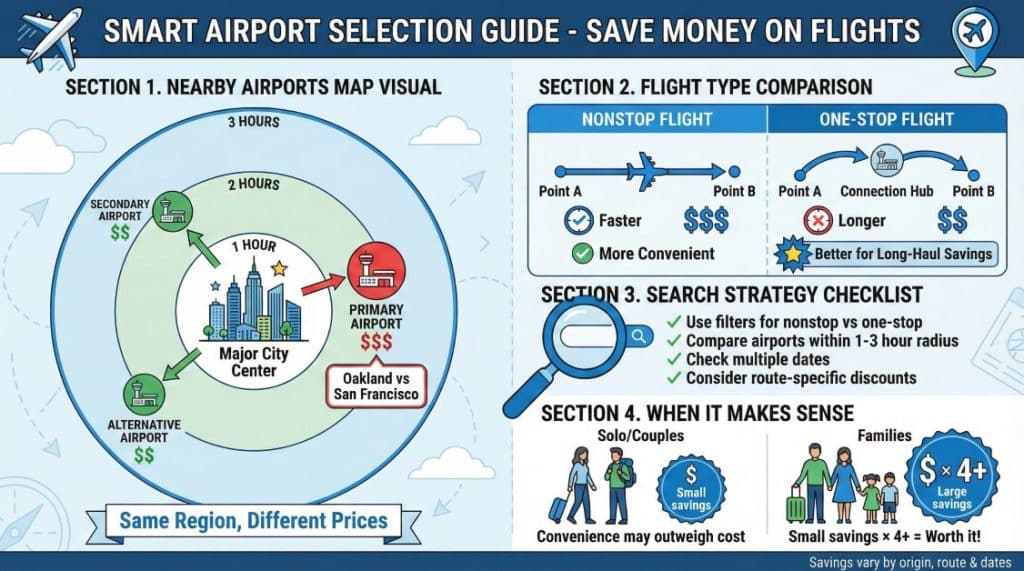
Prices can vary between nearby airports. Choosing a secondary airport, like Oakland over San Francisco, can sometimes lower your fare, depending on your origin and travel dates.
Nonstop flights are usually more convenient but often cost more. Adding a connection can lower the cost, particularly on long‑haul routes, although the size of the discount depends heavily on the route and travel dates.
Use search filters to compare nonstop and one‑stop flights, and check alternative airports within a 1–3‑hour radius.
For solo travelers or couples, extra time may not justify the savings. For families buying four or more tickets, even small savings per seat add up quickly.
8. Make the Most of Airline Miles and Dynamic Award Pricing
Most major airlines now use dynamic award pricing, so the miles required for a ticket fluctuate with demand and cash fares, rather than following a simple fixed chart. That can be frustrating, but it also creates windows of real value.
You often get better deals on off-peak dates, midweek departures, shoulder seasons, or last-minute awards when airlines use miles to fill empty seats. Check nearby dates and airports; required miles can vary significantly.
If you have flexible credit card points that transfer to multiple airlines, you can transfer them to the program offering the best deal for your specific route.
The key takeaway: this strategy helps travelers maximize value, particularly on long-haul business, premium economy, or special-occasion trips.
9. Use Premium Travel Credit Cards Strategically
Travel credit cards are useful if you’re already spending on travel, dining, or everyday purchases. Many give generous bonuses after initial spend and extra points in certain categories.

Choose cards that transfer points to many airline or hotel partners, giving more ways to find valuable redemptions than single-program cards.
Perks like lounge access, free bags, priority boarding, and travel insurance can offset annual fees. But this only applies if you use them. Apply only if you travel enough and need the benefits.
10. Watch for Discounted Last‑Minute Upgrades
As departure nears, airlines prefer selling discounted premium seats over flying empty. You may see upgrade offers before your flight or at check-in.
Upgrades may be available for cash, miles, or bidding. While they cost more than economy, they’re less than buying outright.
If comfort matters, check bookings the week before your flight. Compare the upgrade cost to the original price and see if extra comfort is worthwhile.
The One Combo That Works for Almost Everyone
Looking for a bag that actually makes these flight and packing hacks easier to use? Check out this in-depth review of the eBags Mother Lode, a carry-on that many travelers rely on to avoid baggage fees and keep everything organized.
If you change one booking habit, use map-based searches like Google Flights Explore to stay flexible on dates and destinations, paired with alerts to book at the right time.
Together, these tools show you which regions and airports are offering the best value and quietly keep an eye on fares while you get on with your life.
When an alert pops up with a reasonable price within your preferred window, you can book with confidence rather than guess.
Start today: run a map‑based search from your home airport, set up a few alerts for routes you’re excited about, and decide your booking window based on how far out you’re traveling.
With a bit of flexibility, some basic tech, and smart timing, each new trip becomes less about overpaying and more about seeing how much you can save.
Affiliate Disclosure for Smart Miles Traveler
At Smart Miles Traveler (https://smartmilestraveler.com), our goal is to provide helpful, honest, and practical travel tips, product recommendations, and money-saving strategies.
Some of the links on this website are affiliate links. This means that if you click on a link and make a purchase, we may earn a small commission at no extra cost to you.
These commissions help support the operation of this website and allow us to continue creating free, high-quality travel content for our readers.
Questions or Concerns
If you have any questions about our affiliate relationships or how this website operates, please feel free to contact us.
📧 Email: info@smartmilestraveler.com