
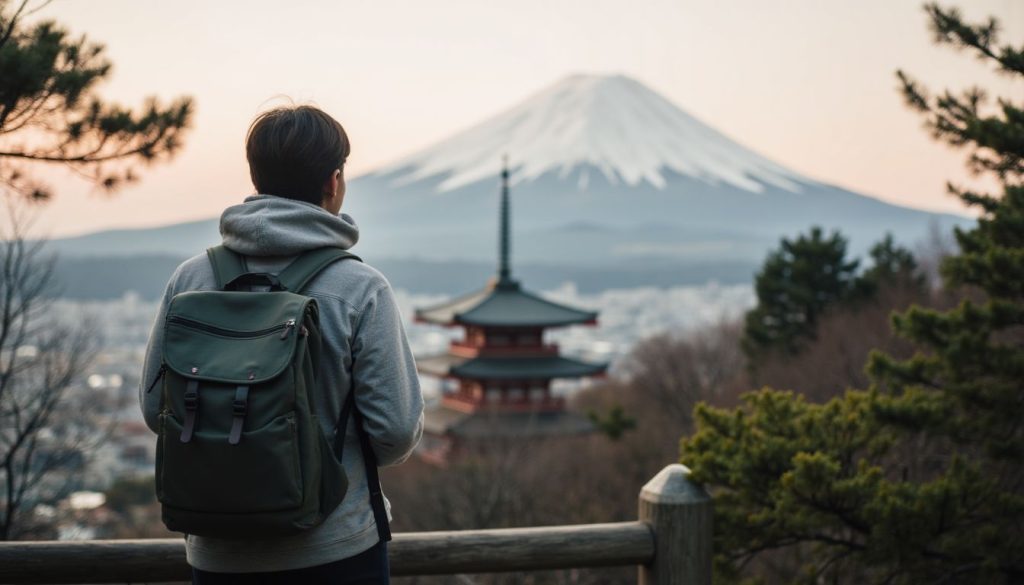
Introduction: Japan is Finally Affordable (Here’s Why)
If you’ve been dreaming of visiting Japan but think it’s too expensive, I have excellent news: the yen’s historic low in 2026 has made Japan more affordable than it’s been in decades. Travelers who visited Japan in early 2026 reported spending 30-40% less than they did just a few years ago.
But here’s the thing about Japan budget travel: it’s not just about exchange rates. It’s about knowing where to spend and where to save. After analyzing dozens of real traveler budgets from Reddit and travel forums, I’ve discovered that visiting Japan under $1000 isn’t just possible—it’s being done right now by savvy travelers who know the secrets to stretching their yen.
In this comprehensive guide, I’ll break down exactly how to visit Japan for under $1000, including real costs from travelers who’ve done it, specific strategies for each major expense category, and sample itineraries that balance cost with authentic experiences.
The Real Cost: Is $1000 Actually Enough?
Let’s start with the numbers. Based on 2026 exchange rates (1 USD = ~150-150 JPY), here’s what a realistic $1000 budget looks like:
Sample 7-Day Budget Breakdown
- Flights: Not included (budget $400-800 from Asia, $800-1500 from US/Europe)
- Accommodation: $280-350 (hostels at $40-50/night)
- Food: $150-200 ($20-30/day)
- Transportation: $100-150 (local transit, IC cards)
- Activities: $50-100 (mix of free and paid attractions)
- Miscellaneous: $50-100 (SIM card, souvenirs, incidentals)
Total Ground Costs: $630-950 for 7 days
One Reddit traveler reported spending 47 days in Japan for just $2,768, averaging about $59/day. Another managed 10 days for $700 total, including flights from a nearby Asian country. The key? They prioritized experiences over luxury and knew exactly where Japan delivers incredible value.
Accommodation: Where to Stay Without Breaking the Bank
Accommodation will likely be your biggest expense after flights, but Japan offers more budget-friendly options than most travelers realize.
1. Hostels: The Budget Traveler’s Best Friend
Japan has embraced the hostel culture, and you’ll find clean, modern options in every major city for $25-45/night. What makes Japanese hostels unique:
- Privacy curtains on most bunk beds
- Luggage storage with locks (often included)
- Communal spaces designed for socializing (essential for solo travelers)
- On-site coin laundry (usually 300-500 yen per load)
Pro tip: Book hostels with kitchen access. Even a simple breakfast of toast and coffee can save $10/day.
2. Business Hotels: Surprising Value
Japanese business hotels like APA Hotel, Super Hotel, and Sotetsu Fresa Inn offer clean, small rooms for $50-80/night. Why they’re worth considering:
- Private rooms for less than hostel private rooms in many cities
- Free breakfast (often Japanese-style, but filling)
- Prime locations near train stations
- Consistent quality across the chain
3. Capsule Hotels: The Unique Japan Experience
At $30-50/night, capsule hotels offer privacy and novelty. Modern capsules include:
- Power outlets and reading lights
- Privacy curtains or doors
- Clean shared bathroom facilities
- Often located in central areas
Note: Some capsule hotels are men-only or women-only. Always check before booking.
4. Unconventional Options
- Manga Cafes: $15-25/night, but you’ll sleep in a reclining chair
- 24-Hour Saunas: Some allow overnight stays for $20-30
- Love Hotels: Day rates (10am-7pm) can be as low as $30-50 for a private room
Transportation: Getting Around for Less
The IC Card: Your Best Friend
Get an IC card (Suica, Pasmo, or ICOCA) immediately upon arrival. These rechargeable cards work on trains, subways, buses, and even vending machines. You’ll save 5-10% on every fare compared to buying individual tickets.
JR Pass: Is It Worth It in 2026?
The JR Pass price increase in late 2023 made it much harder to justify for budget travelers. For most $1000 trips, skip the JR Pass and use local transportation instead.
Budget Transportation Strategies
- Walk whenever possible: Japan is incredibly walkable, and you’ll discover hidden gems
- Use highway buses: Overnight buses between cities can save $50+ compared to trains
- Book domestic flights early: LCC carriers like Peach and Jetstar offer $50-80 flights if booked months in advance
- Seishun 18 Ticket: Five unlimited travel days for ~$110 (available only during school holidays)
Food: Eat Like a Local, Save Like a Pro
Japan might be one of the best countries in the world for food lovers on a budget. Here’s how to eat well for $20-30/day:
1. Konbini Culture: Convenience Stores are Goldmines
Japanese convenience stores (7-Eleven, Lawson, FamilyMart) offer incredible quality:
- Onigiri: $1-2 each (rice balls with various fillings)
- Chicken katsu sandwiches: $2-3 (surprisingly high quality)
- Fresh salads: $3-5 (often with amazing dressings)
- Bento boxes: $4-6 (complete meals with rice, protein, vegetables)
Many travelers report eating breakfast and lunch from konbini every day, saving $15-20 daily.
2. Vending Machines: Liquid Gold
With over 5 million vending machines nationwide, you’re never far from a cheap drink. Options include:
- Coffee and tea for $1-1.50
- Energy drinks for $1.50-2
- Even hot drinks in winter!
3. Budget Restaurant Chains
- Sukiya: Gyudon (beef bowls) for $4-6
- Matsuya: Similar to Sukiya, curry options available
- Yoshinoya: Another beef bowl chain, slightly pricier but still budget-friendly
- Ramen chains: Ichiran, Ippudo, and others offer ramen for $7-10
- Kura Sushi: Plates starting at $1.30 (conveyor belt sushi)
4. Depachika: Department Store Basements
High-end department stores have incredible food floors (depachika) with discounted bento boxes, sides, and desserts after 7pm. Perfect for a special yet affordable dinner.
Free and Low-Cost Activities: The Real Japan Experience
Some of Japan’s best experiences cost absolutely nothing:
Totally Free Activities
- Temple and shrine grounds: Many are free to enter (small inner buildings may charge $2-5)
- Walking tours: Free walking tours available in Tokyo, Kyoto, and Osaka
- Parks and gardens: Shinjuku Gyoen ($5), but many smaller parks are free
- Neighborhood exploration: Akihabara, Harajuku backstreets, traditional shotengai shopping streets
- Mount Fuji views: Free from various vantage points (Lake Kawaguchiko, Chureito Pagoda)
Worth the Small Fees
- Sensō-ji Temple: Free entry, beautiful historic district
- Fushimi Inari Shrine: Free (the famous thousands of torii gates)
- Meiji Shrine: Free, peaceful forest setting in Harajuku
- Climb Tokyo Tower: $16 for main deck (cheaper than SkyTree with better views IMO)
- Museums: Many are $5-10 (Ghibli Museum is $10 but requires advance booking)
Sample Itineraries: Tested by Real Travelers
7-Day Tokyo Focus: ~$800-950 Ground Costs
Accommodation: K’s House Tokyo (hostel) – $40/night × 7 = $280
Day 1-2: Arrival & Shinjuku
- Explore Shinjuku Gyoen Garden ($5)
- Free walking tour of Shinjuku
- Kabukicho evening stroll (free, just for the neon atmosphere)
- Dinner at Sukiya ($6)
Day 3-4: Shibuya & Harajuku
- Shibuya Crossing (free)
- Meiji Shrine (free)
- Harajuku backstreets shopping (window shopping is free!)
- Ueno Park and museums (free park, $5-10 per museum)
Day 5-6: Asakusa & Traditional Tokyo
- Sensō-ji Temple (free)
- Nakamise Shopping Street (window shopping, street food samples)
- Akihabara electric town (free exploration)
- Tokyo SkyTree area (free views from ground level)
Day 7: Departure
- Last-minute shopping at Don Quijote (great for souvenirs)
- Departure
Estimated Daily Costs: Food $25, transport $10, activities $10 = $45/day × 7 = $315
Total: $595 + misc $100-150 = $695-745
10-Day Golden Route Lite: ~$900-1000 Ground Costs
This includes Tokyo, Kyoto, and Osaka using highway buses instead of bullet trains:
Accommodation: Mixed hostels, avg $35/night × 10 = $350
Transportation: Highway buses Tokyo-Kyoto-Osaka-Tokyo = ~$150 total
Days 1-4: Tokyo (similar to 7-day itinerary above)
Day 5: Overnight Bus to Kyoto ($40-50)
Days 6-7: Kyoto
- Fushimi Inari Shrine (free)
- Kinkaku-ji (Golden Pavilion) ($5)
- Kiyomizu-dera Temple ($5)
- Gion district (free geisha spotting)
- Philosopher’s Path (free walking)
Day 8: Day trip to Nara ($5 train ride)
- Nara Park (free, deer roaming freely!)
- Todai-ji Temple ($6)
Day 9: Overnight bus to Osaka ($20-30)
Day 10: Osaka & Return
- Dotonbori district (free, just for the atmosphere)
- Osaka Castle exterior (free)
- Evening return bus to Tokyo
Estimated Daily Costs: Food $25, local transport $8, activities $8 = $41/day × 10 = $410
Total: $350 accommodation + $150 intercity transport + $410 daily costs = $910
Money-Saving Tips That Actually Matter
Timing is Everything
- Cherry blossom season (late March-April): Accommodation prices double
- Golden Week (late April-early May): Avoid if possible, domestic travel peaks
- November (autumn colors): Great weather, lower prices than spring
- January-February: Coldest but cheapest (except New Year period)
Cash Management
- Japan is still largely cash-based
- Withdraw larger amounts less frequently to minimize ATM fees
- 7-Eleven ATMs accept foreign cards and have the lowest fees
- Keep envelopes for different expense categories (many travelers swear by this)
Shopping Strategies
- 100-yen shops: Daiso, Seria, and Can Do for souvenirs and travel essentials
- Don Quijote: Multifloor discount stores with everything from snacks to cosmetics
- Uniqlo: Cheap, high-quality basics (heattech is a game-changer for winter travel)
- Book Off: Used books, games, and media (great for unique souvenirs)
Essential Apps
- Google Maps: Essential for navigation
- Hyperdia: Train schedules (though Google Maps works well now)
- Google Translate: Camera translation for menus and signs
- Japan Official Travel App: JNTO’s official app with great recommendations
So, Is Japan Under $1000 Really Possible?
The short answer: Yes, absolutely.
The longer answer: It requires trade-offs. You won’t be staying at the Park Hyatt Tokyo or eating at Michelin-starred restaurants. But you will:
- Eat some of the best food of your life
- Experience a culture that values hospitality and attention to detail
- Meet locals and fellow travelers in hostels and guesthouses
- Create memories that will last a lifetime
- Have authentic experiences that luxury travelers often miss
The weakened yen has created a window of opportunity that may not last forever. If you’ve been dreaming of Japan, 2026 might be the perfect time to finally make it happen.
Remember: Some travelers spend $3000 on a week in Japan, others spend $1000 on three weeks. The difference isn’t the quality of their experience—it’s the choices they make. And now you know exactly which choices to make.
Have you been to Japan on a budget? Share your money-saving tips in the comments below!
Affiliate Disclosure for Smart Miles Traveler
At Smart Miles Traveler (https://smartmilestraveler.com), our goal is to provide helpful, honest, and practical travel tips, product recommendations, and money-saving strategies.
Some of the links on this website are affiliate links. This means that if you click on a link and make a purchase, we may earn a small commission at no extra cost to you.
These commissions help support the operation of this website and allow us to continue creating free, high-quality travel content for our readers.
Questions or Concerns
If you have any questions about our affiliate relationships or how this website operates, please feel free to contact us.
📧 Email: info@smartmilestraveler.com