
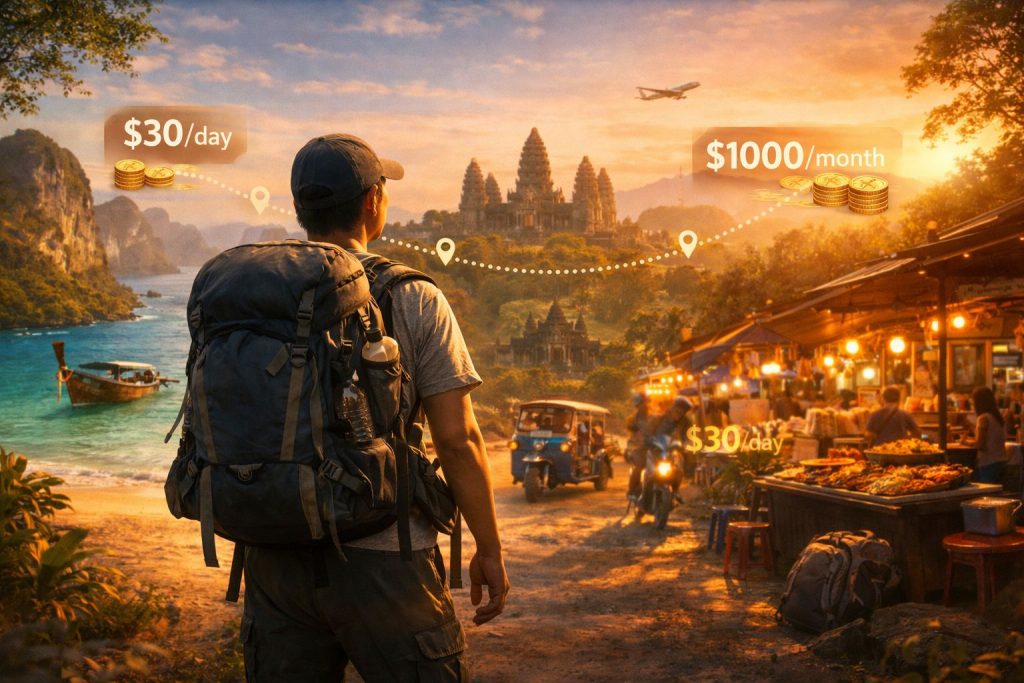
This resource serves as an essential tool for travelers seeking to navigate the complexities of Southeast Asia Backpacking Costs in 2026. Each section meticulously examines the expenses associated with various countries, offering insights into accommodation, transportation, dining, and activities.
Additionally, practical tips are provided to help maximize your budget while ensuring a rich travel experience. By understanding regional differences and implementing strategic planning, you can effectively manage your finances throughout your journey.
Whether you are a seasoned backpacker or embarking on your first adventure, this guide aims to equip you with the knowledge needed for a financially sound exploration of Southeast Asia.
Southeast Asia remains one of the world’s most backpacker-friendly destinations, offering incredible value for travelers seeking adventure without breaking the bank.
How Much Does Backpacking Southeast Asia Really Cost?
To better grasp the Southeast Asia Backpacking Costs, let’s explore various budgeting strategies tailored for different types of travelers.
The average backpacker spends between $25 and $50 per day across Southeast Asia, depending on travel style and countries visited. However, costs can vary dramatically from as little as $15 daily in the most affordable destinations to over $100 in premium locations like Singapore. Understanding Southeast Asia Backpacking Costs is crucial for making informed decisions.
For a comfortable backpacking experience, plan on approximately $1,000 per month or roughly $35 per day. This budget typically covers:
- Accommodation: $8-15 per night (dormitory beds or basic private rooms)
- Food: $5-12 per day (street food and local restaurants)
- Transportation: $3-8 per day (local buses, trains, and occasional flights)
- Activities: $5-15 per day (tours, temple entries, and experiences)
- Miscellaneous: $4-10 per day (SIM cards, laundry, and unexpected expenses)
Three Backpacking Budget Levels
Shoestring Backpacker: $22-35 per day
– Dormitory hostels ($4-8 per night)
– Exclusively street food and local eateries
– Public transportation and walking
– Free and low-cost activities
– Basic amenities
Comfortable Backpacker: $40-55 per day
– Mix of dorms and private rooms ($10-20 per night)
– Street food plus occasional restaurant meals
– Public transport with some taxis/grab rides
– Paid tours and activities
– Comfortable travel pace
Flashpacker: $60-90 per day
– Private rooms and boutique hostels ($20-40 per night)
– Restaurant dining with some street food
– Comfortable transportation options
– Premium activities and experiences
– Added luxuries and conveniences
Pre-Trip Expenses: Before You Go
Before you even step foot in Southeast Asia, you’ll need to budget for essential pre-trip expenses. These one-time costs can significantly impact your initial budget but are necessary investments for safe and comfortable travel.
Flights to Southeast Asia
From Europe: $750-1,200 round-trip to major hubs (Bangkok, Singapore, Kuala Lumpur)
From North America: $800-1,400 round-trip
From Australia: $500-900 round-trip
Money-saving tip: Be flexible with dates and consider flying mid-week. Use flight comparison tools and set price alerts. Bangkok typically offers the most competitive fares from Western countries, while Singapore and Kuala Lumpur also serve as major regional hubs with good connections.
Travel Insurance
Budget: $150-400 for 3-6 months of coverage
Travel insurance is non-negotiable for backpacking trips. Medical emergencies, trip cancellations, and lost belongings can happen to anyone. Look for policies that cover:
- Medical emergencies and evacuations
- Trip cancellation and interruption
- Lost or stolen belongings
- Adventure activities (if you plan to hike, dive, or participate in sports)
Important: If you have pre-existing conditions, declare them when purchasing insurance. Some policies, like SafetyWing, now offer coverage without deductibles, making claims more manageable for minor incidents.
Vaccinations and Health Preparation
Budget: $150-400 depending on your home country and vaccination status
Common vaccinations for Southeast Asia include:
- Hepatitis A and B
- Typhoid
- Tetanus (booster)
- Japanese Encephalitis (for longer trips or rural areas)
- Rabies (consider for extensive outdoor activities)
Money-saving tip: Visit travel clinics at least 6-8 weeks before departure. Some vaccinations require multiple doses over weeks. Check if your home country’s public health system offers free or low-cost travel vaccinations.
Gear and Equipment
Budget: $200-800 depending on what you already own
Essential backpacking gear includes:
- Quality backpack ($50-150)
- Quick-dry clothing ($100-200)
- Comfortable walking shoes ($60-120)
- Travel towel and toiletries ($30-50)
- Electronics and accessories ($100-300)
- Travel documents and money belt ($20-40)
Money-saving tip: You don’t need to buy everything new. Many items can be purchased cheaper in Southeast Asia, and quality second-hand gear can save significant money.
Country-by-Country Cost Breakdown
Southeast Asia isn’t uniformly cheap. Understanding the cost differences between countries will help you plan your route and budget accordingly. Here’s a comprehensive breakdown of costs across the region’s most popular backpacking destinations.
Thailand: $25-45 per day
Thailand remains one of Southeast Asia’s most popular destinations, offering excellent value despite being slightly pricier than some neighbors.
Accommodation:
– Dorm beds: $5-12 per night
– Private rooms: $12-30 per night
– Budget guesthouses: $15-25 per night
Food:
– Street food: $1-3 per meal
– Local restaurants: $3-8 per meal
– Western restaurants: $7-15 per meal
Transportation:
– City buses/MRT/BTS: $0.50-1.50 per journey
– Tuk-tuks and taxis: $2-10 depending on distance
– Overnight trains: $15-40 for sleeper class
– Domestic flights: $30-100
Activities:
– Temple entries: $0.50-3
– Full-day tours: $15-40
– Island hopping: $20-40
– Scuba diving: $40-80 per dive
Regional variations:
- Bangkok: Mid-range costs, excellent street food scene
- Northern Thailand (Chiang Mai, Chiang Rai): Slightly cheaper, great value
- Islands: Significantly more expensive, especially Koh Samui and Phuket
- Less touristy areas: Best value, authentic experiences
Thailand money-saving tips:
- Eat at street food stalls and night markets
- Use public transportation where possible
- Travel in low season (May-October) for better deals
- Stay away from the most touristy islands for better prices
- Book activities through local agencies rather than hotels
Vietnam: $20-35 per day
Vietnam offers exceptional value for money, with some of the region’s best food at incredible prices. It’s possible to travel comfortably here on remarkably little.
Accommodation:
– Dorm beds: $4-8 per night
– Private rooms: $10-20 per night
– Homestays: $15-30 per night
Food:
– Street food (Banh Mi, Pho): $1-2 per meal
– Local restaurants: $3-6 per meal
– Cafes with AC: $2-5 per meal
Transportation:
– City buses: $0.20-0.50
– Grab (ride-sharing): $1-5 for short trips
– Overnight buses: $10-25
– Trains: $10-40 depending on class
Activities:
– Museum entries: $0.50-3
– Cooking classes: $15-30
– Ha Long Bay cruises: $30-80
– Motorbike rental: $5-10 per day
Regional cost variations:
- Hanoi/Ho Chi Minh City: Slightly more expensive but still very affordable
- Hoi An: Tourist prices, especially for tailoring services
- Rural areas: Exceptionally cheap, incredibly authentic
- Da Lat, Sapa: Good value, fresh mountain air
Vietnam money-saving tips:
- Eat exclusively street food and local restaurants
- Use Grab instead of taxis
- Take overnight buses to save on accommodation
- Rent motorbikes for flexibility and savings
- Book tours through local operators, not hotels
Cambodia: $18-30 per day
Cambodia remains one of Southeast Asia’s most affordable destinations, offering incredible experiences at remarkably low prices.
Accommodation:
– Dorm beds: $3-6 per night
– Private rooms: $8-15 per night
– Budget hotels: $12-25 per night
Food:
– Street food: $1-2 per meal
– Local restaurants: $2-5 per meal
– Western food: $5-10 per meal
Transportation:
– Tuk-tuks: $1-3 for short trips
– Minivans between cities: $5-12
– Buses: $4-10
Activities:
– Angkor Wat pass: $62 for 3 days (essential expense)
– Other temples: $2-5
– Shooting ranges: $20-50
– Circus shows: $15-20
Cambodia money-saving tips:
- Angkor Wat is worth every penny – don’t skip it
- Eat where locals eat for best prices
- Negotiate tuk-tuk prices
- Travel by minivan between cities for value
- Visit less touristy areas for even lower prices
Laos: $18-30 per day
Laos offers some of Southeast Asia’s best value, especially for travelers seeking authentic experiences away from crowds.
Accommodation:
– Dorm beds: $4-7 per night
– Private rooms: $10-20 per night
– Guesthouses: $12-25 per night
Food:
– Street food: $1-2 per meal
– Local restaurants: $2-5 per meal
– French-influenced cafes: $3-8 per meal
Transportation:
– Tuk-tuks: $1-2 per trip
– Slow boats: $25-40 for multi-day journeys
– Buses: $5-15 depending on distance
Activities:
– Temples: $0.50-2
– Waterfalls: $1-3
– Adventure activities: $15-40
– Gibbon Experience: $180-280 (expensive but unforgettable)
Laos money-saving tips:
- Travel slowly – distances take longer than expected
- Eat at local markets
- Use local buses instead of tourist VIP buses
- Visit Vang Vieng for adventure value
- Consider the Gibbon Experience as a splurge worth making
Indonesia: $20-40 per day
Indonesia offers incredible diversity in both experiences and costs. Bali is pricier, while other islands provide exceptional value.
Accommodation:
– Dorm beds: $5-12 per night
– Private rooms: $12-30 per night
– Homestays: $15-40 per night
Food:
– Warungs (local eateries): $1-3 per meal
– Cafes in tourist areas: $3-8 per meal
– Western restaurants: $7-15 per meal
Transportation:
– Scooters: $5-10 per day
– Local buses: $0.50-3
– Ferries between islands: $5-30
– Domestic flights: $40-150
Activities:
– Temple entries: $1-3
– Surf lessons: $15-35
– Diving: $30-60 per dive
– Komodo National Park: $20-40 per day
Regional variations:
- Bali (especially Ubud, Seminyak): Most expensive
- Lombok, Gili Islands: Moderate prices
- Java, Sumatra: Very affordable
- Lesser-visited islands: Exceptional value
Indonesia money-saving tips:
- Eat at warungs instead of tourist restaurants
- Rent scooters for flexibility and savings
- Stay in local homestays
- Travel by local ferries between nearby islands
- Visit islands beyond Bali for better prices
Philippines: $25-45 per day
The Philippines offers incredible island experiences but comes with higher transportation costs due to its archipelago geography.
Accommodation:
– Dorm beds: $6-15 per night
– Private rooms: $15-35 per night
– Beach huts: $20-50 per night
Food:
– Street food: $1-2 per meal
– Local restaurants: $3-7 per meal
– Western food: $7-15 per meal
Transportation:
– Jeepneys: $0.20-0.50
– Ferries between islands: $10-50
– Domestic flights: $50-200
– Tricycles: $1-3 per trip
Activities:
– Island hopping tours: $20-40 per day
– Diving: $30-60 per dive
– Canyoneering: $30-50
– Entrance fees: $1-5
Philippines money-saving tips:
- Focus on one region (Palawan, Cebu, or Boracay area) to minimize transport costs
- Eat at local carinderias
- Use ferries instead of flights where possible
- Travel in the off-season (June-November) for better rates
- Book island-hopping tours with groups for discounts
Malaysia: $25-45 per day
Malaysia offers mid-range pricing with excellent infrastructure and diverse cultural experiences.
Accommodation:
– Dorm beds: $6-12 per night
– Private rooms: $15-35 per night
– Budget hotels: $25-50 per night
Food:
– Hawker centers: $2-4 per meal
– Local restaurants: $4-8 per meal
– Shopping mall food courts: $3-7 per meal
Transportation:
– Public transport: $0.50-2
– Grab: $2-8 per trip
– Buses between cities: $8-25
– Domestic flights: $40-120
Activities:
– Temple entries: Free-$5
– Museums: $2-5
– Tours: $20-50
– Islands: $20-40 per day
Malaysia money-saving tips:
- Eat at hawker centers for incredible variety and value
- Use Grab for affordable transportation
- Visit Penang for food value
- Stay in Kuala Lumpur’s Chinatown for budget options
- Take buses instead of flights between Peninsular Malaysia destinations
Singapore: $60-120 per day
Singapore is by far Southeast Asia’s most expensive destination but offers unique experiences worth the splurge for a few days.
Accommodation:
– Dorm beds: $15-35 per night
– Budget hotels: $60-120 per night
Food:
– Hawker centers: $4-7 per meal
– Restaurants: $10-25 per meal
– Alcohol is very expensive: $8-15 per drink
Transportation:
– Excellent public transport: $1-3 per journey
– Taxis/Grab: $8-25 depending on distance
Activities:
– Many attractions are $10-25
– Gardens by the Bay: Free (conservatories paid)
– Sentosa Island: $30-50 for activities
Singapore money-saving tips:
- Eat exclusively at hawker centers
- Stay in hostels in Little India or Chinatown
- Use the excellent MRT system
- Focus on free attractions like neighborhoods and parks
- Limit your stay to 2-3 days to minimize costs
Transportation Costs and Strategies
Getting around Southeast Asia efficiently can significantly impact your budget. Here’s how to optimize transportation spending.
Overland Travel
Buses:
– Local buses: $3-15 for long journeys
– VIP tourist buses: $10-30
– Sleeper buses: Save on accommodation ($15-40)
Trains:
– Thailand: Excellent network, $5-40 depending on class
– Vietnam: Reunification Express, $15-60 for sleeper
– Malaysia: Comfortable and reliable, $5-25
Money-saving transportation tips:
- Use overnight transport to save on accommodation
- Book through local agencies, not hotels
- Travel by day buses for scenery and cheaper fares
- Share rides with other travelers for taxis
- Use ride-sharing apps (Grab, Gojek) instead of taxis
Flights Within Southeast Asia
Budget airlines:
– AirAsia: Excellent coverage, frequent sales
– VietJet Air: Vietnam specialist, very competitive
– Cebu Pacific: Philippines focus, good prices
– Lion Air: Indonesia’s budget option
Typical flight costs:
– Short hops (Bangkok to Phnom Penh): $50-100
– Medium flights (Hanoi to Bangkok): $80-150
– Longer routes (Bangkok to Bali): $100-200
Flight booking strategies:
- Book 2-8 weeks in advance for best prices
- Sign up for airline newsletters for sales
- Use flight comparison sites
- Be flexible with dates
- Consider connecting flights for savings
- Fly mid-week when possible
Accommodation: Finding the Balance Between Cost and Comfort
Accommodation represents your biggest daily expense after food, but smart choices can dramatically reduce costs without sacrificing comfort or safety.
Types of Budget Accommodation
Dormitory Hostels ($4-15 per night)
– Cheapest option
– Social atmosphere
– Great for meeting travelers
– Some offer extras like breakfast
Private Rooms in Hostels ($12-30 per night)
– More privacy than dorms
– Still social common areas
– Often includes breakfast
– Good value for couples
Guesthouses and Homestays ($10-40 per night)
– Local family-run operations
– More authentic experience
– Can negotiate for longer stays
– Often includes meals
Budget Hotels ($20-60 per night)
– Private facilities
– More space and comfort
– Less social atmosphere
– Good for work or rest periods
Accommodation Money-Saving Strategies
Book strategically:
- Walk in without reservation for better rates (except peak seasons)
- Stay multiple nights for discounts
- Negotiate directly for longer stays
- Book through local sites, not international platforms
Location matters:
- Stay slightly outside tourist centers
- Avoid beachfront locations (pay premium for proximity)
- Choose neighborhoods near local markets
- Consider distance to attractions vs. transportation costs
Timing your accommodation:
- Arrive early in the day for best selection
- Avoid weekends in party destinations
- Travel in shoulder seasons
- Be flexible with location for better prices
Food and Drink: Eat Like a Local, Save Like a Pro
Food is one of Southeast Asia’s greatest pleasures and best values. You can eat incredibly well for very little by following local patterns.
Street Food: The Ultimate Budget Hack
Why street food is perfect for backpackers:
– Incredibly cheap ($1-3 per meal)
– Authentic local flavors
– Freshly prepared
– Social experience
– Safe when busy and popular
Street food must-tries:
– Thailand: Pad Thai, Som Tam, Mango Sticky Rice
– Vietnam: Pho, Banh Mi, Bun Cha
– Cambodia: Amok, Lok Lak
– Laos: Laap, Khao Soi
– Indonesia: Nasi Goreng, Satay, Gado-Gado
– Philippines: Adobo, Sinigang, Lechon
Restaurant Eating Strategy
Local restaurants ($3-8 per meal):
– Similar prices to street food with seating
– Air conditioning in hot climates
– More extensive menus
– Clean facilities
When to splurge:
– Special occasions
– Unique regional specialties
– Health and cleanliness concerns
– Need for WiFi and workspace
Drink Costs
Local drinks:
– Water: $0.20-0.60 per liter
– Local beer: $1-3 per bottle
– Coffee: $0.50-2
– Fresh fruit juices: $0.50-2
Western drink prices:
– Imported alcohol: $3-8 per drink
– Cocktails in tourist areas: $5-12
– Coffee in cafes: $2-5
Money-saving drink tips:
- Buy water in large bottles
- Drink local beer (Angkor, Chang, Tiger)
- Avoid imported alcohol
- Make coffee in hostels when possible
- Limit alcohol consumption (major budget drain)
Activities and Experiences: Prioritizing Your Spending
Activities and tours can consume a significant portion of your budget, but smart choices ensure you get the most value for your money.
Free and Low-Cost Activities
Always free:
– Beaches and swimming
– Hiking and nature walks
– Exploring neighborhoods and markets
– Many temples and religious sites
– People watching and cultural observation
– Walking tours (self-guided or tip-based)
Low-cost activities ($1-10):
– Museum entries
– Local performances
– Basic cooking classes
– Renting bicycles or motorbikes
– Short boat trips
Worth the Splurge Activities
Moderate expenses ($15-40):
– Full-day tours
– Multi-activity packages
– Scenic cruises (Halong Bay, Phi Phi Islands)
– Adventure activities (zip-lining, canyoneering)
– Multi-day trekking with guides
Major splurges ($50-150+):
– Scuba diving certification
– Multi-day adventure packages
– Private tours
– Internal flights to remote areas
– Luxury experiences
Activity Money-Saving Tips
Booking strategies:
- Book through local operators, not hotels
- Join groups for discounts
- Ask for backpacker discounts
- Negotiate for multiple activities
- Avoid peak tourist seasons
Prioritization:
- Focus on unique regional experiences
- Skip activities available elsewhere
- Balance expensive and cheap activities
- Research which experiences are genuinely worth the cost
- Consider free alternatives to popular paid attractions
Hidden Costs and Budget Busters
Even experienced travelers encounter unexpected expenses. Being prepared for common budget pitfalls helps avoid financial surprises.
Common Hidden Costs
Visa fees:
– Vietnam: $25-50 (depending on type)
– Cambodia: $30 on arrival
– Laos: $30-50 depending on nationality
– Indonesia: Free for many nationalities, varies
– Check current requirements before travel
ATM fees and foreign exchange:
– ATM withdrawal fees: $2-5 per transaction
– Foreign transaction fees: 1-3%
– Poor exchange rates at airports and borders
– Money-changing fees
Health costs:
– Travel clinics for minor illnesses: $10-30
– Prescription medications: varies widely
– Travel insurance claims: deductibles apply
– Dental emergencies: expensive
Technology and connectivity:
– Local SIM cards: $5-15
– Pocket WiFi: $5-10 per day
– VPN services: $5-15 per month
– Electronics replacement/repair
Avoiding Budget Busters
Transportation traps:
– Airport taxis (use public transport or ride-sharing)
– Tourist pricing for transportation
– Unnecessary domestic flights
– Private cars when public transport works
Accommodation mistakes:
– Booking too far in advance (no flexibility)
– Staying in tourist centers every night
– Not negotiating for longer stays
– Paying for unnecessary amenities
Food and drink overspending:
– Eating exclusively in Western restaurants
– Importing alcohol habits
– Buying water in small bottles
– Snacking on imported products
Money-Saving Strategies for Long-Term Travel
For extended trips, strategic money management can save thousands without compromising experience quality.
Route Planning for Budget Optimization
Geographic clustering:
– Group nearby countries to minimize transport costs
– Travel in logical geographic sequences
– Avoid crisscrossing the region
– Consider land borders over flights when practical
Seasonal considerations:
– Follow good weather patterns
– Avoid peak tourist seasons
– Research local festivals (fun but expensive)
– Consider shoulder season travel
Time allocation:
– Spend more time in cheaper countries
– Limit time in expensive destinations
– Build in flexibility for discoveries
– Balance fast and slow travel periods
Daily Budget Management
Tracking expenses:
– Use budgeting apps or spreadsheets
– Track in local currency and your home currency
– Review spending weekly
– Adjust based on actual costs
Flexible budgeting:
– Have daily target averages, not rigid limits
– Carry buffer for unexpected opportunities
– Splurge strategically on unique experiences
– Balance expensive and cheap days
Community and Resource Sharing
Traveler communities:
– Join Facebook groups for current pricing
– Share transportation costs with other travelers
– Get recommendations for budget operators
– Learn about free activities from locals
Local connections:
– Stay with local hosts when possible
– Learn about free local events
– Get insider pricing tips
– Access non-tourist experiences
Real Traveler Budget Examples
Real-world examples provide the most accurate picture of Southeast Asia backpacking costs. Here’s what travelers are actually spending in 2026.
Three-Month Southeast Asia Journey
Reddit user’s 73-day budget breakdown (2025):
– Total budget: €4,750-5,000 per person (~$5,200-5,500)
– Daily average: €65-74 per person (~$70-80)
– Countries visited: Vietnam, Cambodia, Philippines, Thailand
– Travel style: Private rooms in hostels, mix of activities
– Key expenses included: PADI certification ($280-350), Halong Bay cruise ($130-160), internal flights ($803)
Daily spending breakdown:
– Accommodation: €13-18 per night
– Food: €12-16 per day
– Activities: €11-15 per day
– Transportation: €4-6 per day
– Miscellaneous: €5-8 per day
Six-Month Southeast Asia Adventure
Travel couple’s experience (2024-2025):
– Total spending: $7,958 per person for six months
– Daily average: $44 per person
– Countries: 8 Southeast Asian nations
– Travel style: Comfortable backpacking with occasional splurges
– Included expenses: All activities, some diving, comfortable accommodations
Per-country spending (per person):
– Cambodia: $86 per day (hospital bill increased costs)
– Vietnam: $51 per day
– Philippines: $75 per day
– Singapore: $128 per day
– Indonesia: $71 per day
– Laos: $39 per day
– Thailand: $40-50 per day
Ultra-Budget Six-Month Journey
Shoestring traveler report (2024):
– Total spending: $6,095 for six months (excluding diving)
– Daily average: $34 per person
– Travel style: Dormitories, street food, minimal tours
– Secret: Time in cheapest countries (Vietnam, Cambodia, Laos)
Daily breakdown:
– Accommodation: $8-12 per night
– Food: $8-12 per day (mainly street food)
– Transportation: $6-10 per day
– Activities: $5-8 per day
– Miscellaneous: $2-5 per day
Planning Your Southeast Asia Backpacking Budget
Creating a realistic budget requires considering multiple factors and planning for the unexpected.
Step-by-Step Budget Planning
1. Determine trip duration:
– Longer trips benefit from lower daily costs
– Pre-trip expenses spread over more days
– Flexibility increases savings opportunities
2. Choose your countries wisely:
– Research costs for each destination
– Balance expensive and cheap countries
– Consider regional proximity
– Allocate more time to affordable destinations
3. Define your travel style:
– Be honest about comfort preferences
– Decide between dorms and private rooms
– Identify must-do activities (and their costs)
– Factor in nightlife and entertainment spending
4. Build in buffers:
– Add 15-20% for unexpected expenses
– Include emergency fund
– Plan for occasional splurges
– Account for inflation and price increases
5. Create daily targets:
– Set realistic daily spending goals
– Have different budgets for different countries
– Allow for expensive travel days
– Include zero-cost days
Sample Budget Templates
Conservative 2-month budget ($2,500 total):
– Pre-trip expenses: $1,000
– Daily budget: $25 per day × 60 days = $1,500
– Focus: Vietnam, Cambodia, Laos, Thailand (non-island areas)
– Accommodation: Dorms, some private rooms
– Food: Mainly street food and local restaurants
– Activities: Free and low-cost options, occasional splurges
Comfortable 3-month budget ($5,000 total):
– Pre-trip expenses: $1,200
– Daily budget: $42 per day × 90 days = $3,800
– Countries: Mix of Southeast Asia, including some islands
– Accommodation: Mix of dorms and private rooms
– Food: Street food plus regular restaurant meals
– Activities: Paid tours, some adventure activities, diving
Flexible 6-month budget ($8,000 total):
– Pre-trip expenses: $1,500
– Daily budget: $36 per day × 180 days = $6,500
– Countries: Comprehensive Southeast Asia tour
– Accommodation: Mostly private rooms
– Food: Mix of local and occasional Western dining
– Activities: All major interests, multiple courses, extensive travel
Making Your Budget Work: Practical Daily Strategies
The difference between budget success and failure often comes down to daily habits and small decisions that add up significantly over time.
Daily Money-Saving Habits
Morning routine:
– Eat breakfast at your accommodation (often included)
– Fill water bottles for the day
– Plan activities to minimize transportation
– Use free WiFi for planning instead of data
Transportation choices:
– Walk whenever possible
– Use public transport over taxis
– Share rides with other travelers
– Book transportation through local agents
Food strategies:
– Eat your largest meal at lunch (cheaper than dinner)
– Buy fruit and snacks from markets
– Carry a reusable water bottle
– Learn where locals eat for best prices
Accommodation tactics:
– Negotiate rates for multiple nights
– Book in person when possible
– Choose locations away from tourist centers
– Consider accommodation quality vs. price carefully
Weekly Budget Reviews
Track your spending:
– Use simple apps or notebooks
– Review totals weekly
– Compare against targets
– Adjust based on actual spending patterns
Optimize based on reality:
– Identify spending leaks
– Adjust for country-specific costs
– Take advantage of unexpectedly cheap destinations
– Build flexibility for discoveries
Conclusion: Southeast Asia Remains an Incredible Value
Despite rising prices in some areas, Southeast Asia continues to offer some of the world’s best travel value. The region delivers incredible experiences, delicious food, fascinating cultures, and adventures at prices that allow extended travel impossible in most parts of the world.
Key takeaways for budget success:
- Plan $25-50 daily depending on travel style and countries
- Prioritize time in affordable destinations (Vietnam, Cambodia, Laos)
- Eat street food and local cuisine for the best value
- Use public transportation and overnight travel options
- Stay flexible and adapt to opportunities
- Balance budget constraints with must-do experiences
The most important budget advice:
Don’t let budget concerns prevent you from experiencing the magic of Southeast Asia. With proper planning and smart spending choices, you can have an incredible adventure regardless of your budget range. The region rewards flexibility, cultural openness, and willingness to live like locals rather than tourists.
Your Southeast Asia backpacking adventure awaits – and it’s more affordable than you might think. The experiences, friendships, and memories you’ll create are worth every penny, and with these budget strategies, you can make every dollar stretch further while maximizing your adventure potential.
Start planning, save smartly, and get ready for the journey of a lifetime. Southeast Asia has been welcoming budget travelers for decades, and with good reason – it’s simply one of the world’s most rewarding destinations for travelers seeking maximum adventure for minimum cost.
Quick Reference: Southeast Asia Daily Budgets (2026)
| Country | Shoestring | Comfortable | Flashpacker |
|---|---|---|---|
| Laos | $18-25 | $30-40 | $50-70 |
| Cambodia | $20-28 | $35-45 | $55-75 |
| Vietnam | $20-30 | $35-50 | $60-80 |
| Thailand | $25-35 | $40-60 | $70-100 |
| Indonesia | $25-40 | $45-65 | $75-110 |
| Malaysia | $28-40 | $50-70 | $80-120 |
| Philippines | $30-45 | $55-75 | $85-120 |
| Singapore | $60-80 | $100-140 | $150-200+ |
Your actual spending will depend on your travel style, choices, and priorities – but this guide provides the framework for planning an amazing Southeast Asia adventure within almost any budget.
Southeast Asia remains one of the world’s most backpacker-friendly destinations, offering incredible value for travelers seeking adventure without breaking the bank.
Whether you’re planning a month-long journey or a year-long expedition, understanding the costs involved will help you budget effectively and maximize your experience.
Affiliate Disclosure for Smart Miles Traveler
At Smart Miles Traveler (https://smartmilestraveler.com), our goal is to provide helpful, honest, and practical travel tips, product recommendations, and money-saving strategies.
Some of the links on this website are affiliate links. This means that if you click on a link and make a purchase, we may earn a small commission at no extra cost to you.
These commissions help support the operation of this website and allow us to continue creating free, high-quality travel content for our readers.
Questions or Concerns
If you have any questions about our affiliate relationships or how this website operates, please feel free to contact us.
📧 Email: info@smartmilestraveler.com