
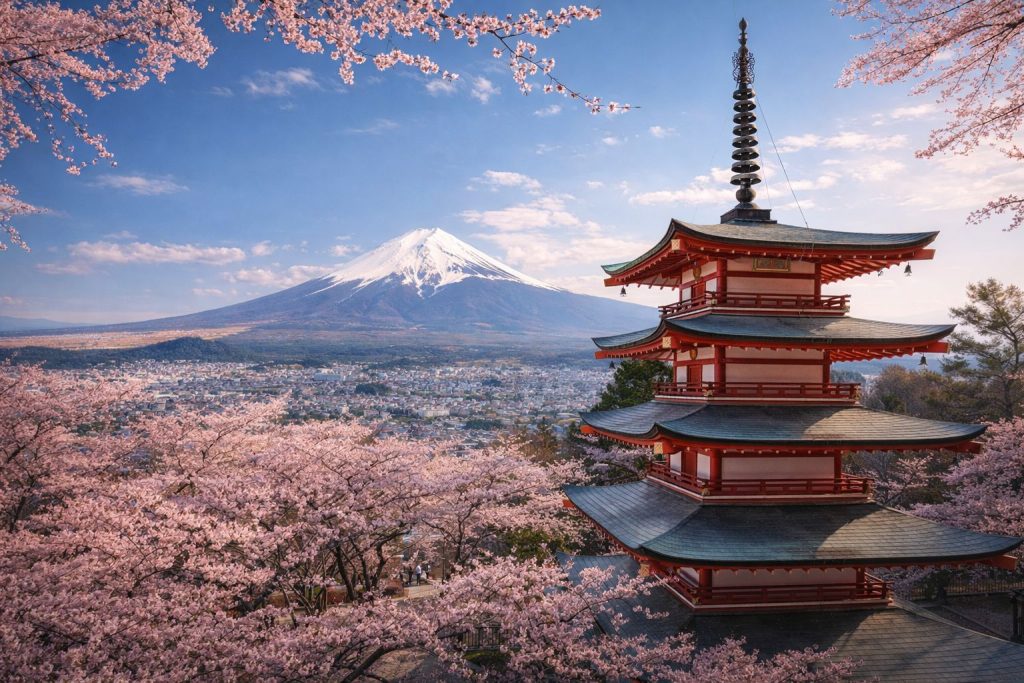
Planning your first trip to Japan? You’re in for an unforgettable adventure. Japan is one of the most rewarding destinations for first-time travelers—it’s safe, clean, efficient, and packed with incredible experiences you won’t find anywhere else. This comprehensive Japan first-timer guide covers everything you need to know to plan your journey with confidence.
Why Japan is Perfect for First-Time Visitors
Japan stands out as an ideal destination for travelers venturing abroad for the first time. The country consistently ranks as one of the safest nations globally, with crime rates that are practically non-existent in areas tourists frequent. The transportation system is nothing short of legendary—trains run with punctuality that makes other countries’ systems seem unreliable, and the extensive network connects every corner of the country seamlessly.
What truly makes Japan special, however, is the unique blend of cutting-edge modernity and time-honored tradition. You can spend your morning exploring ancient temples and shrines that have stood for centuries, then spend your evening marveling at neon-lit skyscrapers and robotic restaurants. This fascinating contrast creates an atmosphere of constant discovery that keeps travelers engaged and excited throughout their journey.
The Japanese people themselves add immeasurably to the travel experience. Despite the language barrier, you’ll find locals consistently going out of their way to help lost tourists, often walking blocks out of their way to ensure you reach your destination. The culture places immense value on hospitality and respect, making visitors feel genuinely welcomed.
Planning Your Trip: Timing, Duration, and Budget
Best Time to Visit Japan
Japan’s four distinct seasons each offer unique advantages for travelers. Spring (March to May) brings the famous cherry blossom season, when the entire country transforms into a pink wonderland. This peak period typically occurs from late March to early April, though exact timing varies by latitude and year. The weather during spring is generally mild and pleasant, making it ideal for sightseeing. However, this is also the busiest and most expensive time to visit, so book accommodations well in advance if you plan to travel during cherry blossom season.
Autumn (October to early December) offers equally stunning scenery, with maple leaves turning brilliant shades of red, orange, and gold. The weather remains comfortable, and while popular destinations still see crowds, they’re generally more manageable than during cherry blossom season. Late November typically provides the peak foliage viewing in most areas.
Summer (June to September) brings heat and humidity, particularly in July and August when temperatures regularly exceed 86°F (30°C). June marks the rainy season, particularly in Tokyo and surrounding areas. However, summer also brings vibrant festivals (matsuri) and is the only time you can climb Mount Fuji. If you travel during summer, pack light, breathable clothing and prepare for occasional intense downpours.
Winter (December to February) offers the coldest temperatures but also the thinnest crowds. While northern regions like Hokkaido become winter wonderlands perfect for skiing, Tokyo and Kyoto can get quite chilly, with temperatures occasionally dropping below freezing. Many travelers find winter appealing for the lower prices and shorter lines at major attractions, plus the magical experience of seeing shrines and temples dusted with snow.
Pro tip: Consider traveling during shoulder seasons—May (after Golden Week) and late September through early October—for pleasant weather and fewer crowds.
How Long to Stay
For first-time visitors, I recommend spending at least 10 days in Japan. This duration allows you to experience the essential highlights without feeling rushed. A 10-day itinerary typically covers Tokyo, Kyoto, Osaka, and perhaps a day trip to Nara or Mount Fuji. Ideally, two weeks gives you even more flexibility to explore at a comfortable pace and perhaps add destinations like Hiroshima or a traditional ryokan stay.
While it’s possible to see Japan in a week, you’ll need to make difficult choices about what to skip. If you only have one week, focus on either Tokyo with surrounding areas or Kyoto/Osaka, rather than trying to cover both regions thoroughly.
Budget Considerations
Japan has gained a reputation as an expensive destination, but the reality is more nuanced. Your daily budget can vary dramatically based on choices:
Budget travelers can manage on $80-100 per day by staying in business hotels, eating at convenience stores and local restaurants, using trains efficiently, and taking advantage of free attractions. Many temples and shrines charge minimal or no entrance fees, and walking remains one of the best ways to explore neighborhoods.
Mid-range travelers typically spend $150-200 per day, staying in better hotels or ryokans, enjoying sit-down restaurants, and paying for some attractions and experiences. This budget provides a comfortable experience with room for spontaneous activities.
Luxury travelers might spend $300+ per day, staying at premium hotels, experiencing fine dining, and taking private tours.
Key budget considerations:
- Accommodation represents your largest expense. Business hotel chains like Smile Hotel, Daiwa Roynet, and Dormy Inn offer excellent value, often with additional perks like on-site onsens and free breakfast.
- Food can be incredibly affordable if you eat like locals. Convenience stores (konbini) offer quality meals for $5-8, while conveyor belt sushi restaurants let you eat well for $15-20 per person.
- Transportation costs add up quickly. The JR Pass (discussed below) might save money for extensive travel, but buying individual tickets often makes more sense for focused itineraries.
- Many attractions are free or inexpensive compared to Western countries.
Visa Requirements
Visa requirements vary significantly by nationality. Citizens from 68 countries and regions, including the United States, Canada, United Kingdom, Australia, and most European nations, can enter Japan visa-free for tourism stays of up to 90 days. However, always verify current requirements with your local Japanese embassy, as regulations can change.
Even when a visa isn’t required, all travelers must complete immigration procedures upon arrival. Japan has implemented the “Visit Japan Web” system, allowing you to complete immigration and customs declarations digitally before arrival, significantly reducing processing time at the airport.
Booking Tips
Flights: Book international flights 2-4 months in advance for the best prices. Consider “open-jaw” tickets—flying into Tokyo and out of Osaka (or vice versa)—to avoid backtracking and save time. This approach often costs only marginally more than round-trip tickets to a single city.
Accommodations: Reserve accommodations well in advance, especially during peak seasons. In popular areas like Tokyo’s Shibuya district or Kyoto’s Gion, rooms can sell out months ahead. Business hotels consistently offer good value and reliability. Consider using hotel points if you have them—major chains like Marriott, Hilton, and Hyatt have excellent properties in prime locations.
Trains: For the Shinkansen (bullet train), you can reserve seats up to one month before travel. While reservations aren’t strictly required for trains with non-reserved cars, booking ensures you sit together and can secure window seats facing Mount Fuji on the Tokyo to Kyoto route. During peak periods, reserved seats can sell out.
Attractions: Popular attractions like teamLab Borderless, Shibuya Sky, and certain theme parks require advance reservations, often available online weeks or months ahead. Check booking requirements for your must-see attractions as soon as your itinerary is set.
Essential Preparation: What to Arrange Before You Go
Japan Rail Pass Explained
The Japan Rail Pass (JR Pass) has been a staple of Japan travel for decades, but significant price increases in October 2023 changed the equation for many travelers. The pass now costs approximately $275 for a 7-day pass, $445 for 14 days, and $560 for 21 days.
When the JR Pass is worth it:
- Extensive round-trip travel (Tokyo-Kyoto round trip is about $185)
- Travel beyond the Golden Route to places like Hiroshima, Kanazawa, or Hokkaido
- Multiple Shinkansen trips within the validity period
When individual tickets make more sense:
- Focused itineraries like Tokyo-Kyoto-Osaka
- Travel within a single region
- When not using JR lines extensively
For most first-time visitors following the classic Tokyo-Kyoto-Osaka route, buying individual Shinkansen tickets often saves money compared to a 7-day JR Pass, especially if you can use discount tickets or special offers.
Internet Connectivity: SIM Cards, Pocket WiFi, and eSIMs
Having reliable internet access in Japan is essential. You’ll need it for navigation, translation, checking train schedules, and even simple tasks like restaurant research or mobile payments.
eSIMs (my top recommendation): Services like Airalo, Ubigi, and Holafly offer prepaid eSIMs that you can activate before arrival. These digital SIMs work instantly upon landing in Japan and eliminate the need to find a SIM card vendor or carry extra devices. Airalo, for instance, offers Japan-specific packages with varying data amounts at reasonable prices. The setup takes minutes and you’re connected immediately.
Physical SIM cards: Available at airports upon arrival, with major providers including Sakura Mobile, Mobal, and b-mobile. You’ll need to show your passport and have a SIM-unlocked phone. While cheaper than eSIMs, they require queuing at airport counters after an international flight.
Pocket WiFi devices: Available for rental at airports and can be delivered to your hotel. These create a personal WiFi hotspot that multiple devices can connect to simultaneously—ideal for families or groups. However, you must carry the device, remember to charge it, and return it before departure.
Free WiFi: Available at many hotels, some train stations, certain cafes, and convenience stores. However, coverage is spotty and unreliable as your primary connection method.
Essential Apps to Download
Google Maps: Your most valuable tool in Japan. Download offline maps for the areas you’ll visit. Google Maps provides incredibly detailed public transit directions, including platform numbers, transfer times, and fare information. You can even check last train times to avoid getting stranded.
Google Translate: Download Japanese for offline use. The camera feature lets you translate menus, signs, and product labels by pointing your phone. The voice translation helps with basic conversations.
Visit Japan Web: Complete immigration and customs forms digitally before arrival. Creates a QR code that expedites airport processing and can be used for tax-free shopping.
Suica or PASMO apps: These digital IC cards (integrated circuit cards) work on your phone through Apple Wallet or similar systems. IC cards are prepaid cards you can use for trains, subways, buses, and even payments at convenience stores and vending machines. Just tap your phone at the gate—no need to calculate fares or buy individual tickets.
Hyperdia or Navitime: These apps specialize in Japanese train schedules and can be more reliable than Google Maps for complex routes or less common lines.
Japan Travel by NAVITIME: Offers offline maps and routing specifically designed for foreign tourists, with English interface and tourist-friendly recommendations.
Payke: This handy app lets you scan product barcodes to get English descriptions—perfect for shopping at drugstores or trying new foods at convenience stores.
Money and Payment Methods
Japan has been slow to adopt cashless payments compared to neighboring countries, but acceptance has improved dramatically, especially in major cities. However, you still need to be prepared.
Cash remains essential: Many smaller restaurants, temples, shrines, and rural establishments only accept cash. ATMs are widespread at 7-Eleven, Japan Post offices, and major banks. 7-Eleven ATMs accept most foreign cards and are open 24/7.
Credit cards: Visa and Mastercard are widely accepted in cities. American Express acceptance is growing but less universal. Discover and Diners Club have limited acceptance.
Mobile payments: Apple Pay, Google Pay, and similar systems work in more places each year. IC cards (Suica, PASMO) can be added to your phone wallet and used for small purchases throughout your trip.
Tax-free shopping: As a tourist, you can get the 10% consumption tax refunded on purchases over 5,500 yen (about $40) at stores displaying tax-free signs. Bring your passport, and stores will either deduct the tax at purchase or process a refund at the airport. The Visit Japan Web QR code can streamline this process.
Budget tip: Daily costs vary, but budget travelers spend $80-100 per day, mid-range travelers $150-200, and luxury travelers $300+. Food and transportation represent the biggest variable costs.
Luggage Shipping Services (Takuhaibin)
One of Japan’s most brilliant services is takuhaibin—luggage forwarding that lets you ship bags between destinations rather than carrying them on trains. This service is incredibly reliable and reasonably priced.
How it works: Give your hotel your next destination. They’ll handle everything—packing your bags, arranging pickup, and providing tracking. Your luggage typically arrives the next day (though allow extra time for remote destinations). Most travelers ship their main luggage and carry only essentials for one night.
Major providers: Yamato Transport (known as “Black Cat” for their logo), Japan Post, and Sagawa Express all offer luggage forwarding. Your hotel will recommend their preferred service.
Benefits:
- Travel light on crowded trains
- Avoid station lockers and luggage racks
- Skip airport baggage carousels on departure
- Enjoy travel without hauling heavy bags
Cost: Typically 1,500-2,500 yen ($12-20) per piece depending on size and distance. Your hotel can arrange everything—just let them know at least a day before you need shipping.
Pro tip: Even if you don’t ship luggage, nearly every hotel in Japan will store your bags before check-in and after check-out, allowing you to explore luggage-free.
First-Time Itinerary Ideas
The Classic 7-Day Golden Route
This efficient itinerary covers Japan’s essential highlights and works perfectly for first-time visitors with limited time. Follow Tokyo-Kyoto-Osaka (or reverse) to maximize your time.
Days 1-3: Tokyo
Start in Japan’s dynamic capital. Tokyo deserves at least three full days to see the highlights without rushing.
Day 1: Modern Tokyo
- Morning: Shibuya Crossing—the world’s busiest pedestrian crossing. Watch from above at the Starbucks or Shibuya Sky observation deck for the full effect.
- Afternoon: Harajuku and Takeshita Street for youth culture and fashion
- Evening: Shinjuku for neon lights, department stores, and Omoide Yokocho (memory lane) for atmospheric dining
Day 2: Traditional Tokyo
- Morning: Senso-ji Temple in Asakusa, Tokyo’s oldest and most significant temple
- Afternoon: Meiji Shrine, a serene forested Shinto shrine dedicated to Emperor Meiji
- Evening: Akihabara for electronics, anime culture, and gaming arcades
Day 3: Art and Culture
- Morning: teamLab Borderless or teamLab Planets for immersive digital art
- Afternoon: Ueno Park and Tokyo National Museum for traditional art and culture
- Evening: Roppongi or Ginza for upscale shopping and dining
Day 4: Day Trip to Mount Fuji or Hakone
Take a break from the city with stunning views of Japan’s iconic peak.
Option 1: Hakone (recommended for hot springs)
- Take the “Romancecar” train from Shinjuku (about 90 minutes)
- Ride the Hakone Ropeway for views across Owakudani Valley
- Take a pirate ship cruise on Lake Ashi
- Enjoy an onsen (hot spring) experience at a day-use spa
Option 2: Lake Kawaguchiko (recommended for Fuji views)
- Take a highway bus from Shinjuku Bus Terminal (about 2 hours)
- Ride the Mt. Fuji Panoramic Ropeway for spectacular views
- Visit the Chureito Pagoda for that classic Fuji photo
- Rent a bicycle and explore the lake shore
Days 5-7: Kyoto
Take the Shinkansen from Tokyo to Kyoto (2 hours 15 minutes). Kyoto was Japan’s capital for over 1,000 years and contains 17 UNESCO World Heritage Sites.
Day 5: Eastern Kyoto
- Early morning: Fushimi Inari Shrine—famous for its thousands of vermilion torii gates. Arrive by 7 AM to avoid crowds and consider hiking beyond the main areas.
- Afternoon: Kiyomizu-dera Temple, perched on a hillside with impressive city views
- Evening: Walk through Higashiyama’s preserved historic streets, especially Ninen-zaka and Sannen-zaka
Day 6: Western Kyoto
- Morning: Arashiyama Bamboo Grove—arrive early for the most atmospheric experience
- Afternoon: Tenryu-ji Temple and its beautiful gardens
- Evening: Kinkaku-ji (Golden Pavilion) for sunset photos
Day 7: Nara Day Trip
From Kyoto, take a 45-minute train ride to Nara, Japan’s first permanent capital.
- Nara Park with its famously friendly sacred deer
- Todai-ji Temple, housing a massive bronze Buddha statue
- Kasuga Taisha Shrine with its thousands of stone and bronze lanterns
Return to Kyoto for your final night, or continue to Osaka if extending your trip.
The Extended 10-Day Itinerary
With three extra days, you can add depth to your experience or include additional destinations.
Option 1: Add Hiroshima and Miyajima
Day 8: Travel to Hiroshima
- Take the Shinkansen from Kyoto to Hiroshima (1 hour 40 minutes)
- Visit the Peace Memorial Park and Museum
- See the Atomic Bomb Dome, a UNESCO World Heritage Site
Day 9: Miyajima Island
- Take a short train and ferry ride to Miyajima
- See the “floating” torii gate of Itsukushima Shrine
- Try momiji manju (maple leaf cakes) and okonomiyaki (Hiroshima-style savory pancakes)
- Hike or take the ropeway to Mount Misen for panoramic views
Day 10: Return to Tokyo or fly home from Osaka
Option 2: Add Osaka
Day 8: Travel to Osaka
- Take the Shinkansen from Kyoto to Osaka (about 30 minutes)
- Explore Dotonbori, Osaka’s vibrant entertainment district
- Try Osaka’s famous street food: takoyaki (octopus balls) and okonomiyaki
Day 9: Osaka
- Visit Osaka Castle and the surrounding park
- Explore Shinsekai, a retro entertainment district
- Shop at Den Den Town, Osaka’s electronics district
Day 10: Day trip to Himeji
- Visit Himeji Castle, Japan’s finest surviving original castle
- Return to Osaka for departure
Itinerary Planning Tips
Transportation: Use the Shinkansen for major city-to-city travel. It’s fast, comfortable, and reliable. Buy individual tickets rather than a JR Pass for focused itineraries like the Golden Route.
Accommodation locations:
- Tokyo: Stay near Shinjuku, Shibuya, or Tokyo Station for easy access to multiple train lines
- Kyoto: Stay near Kyoto Station for convenience, or in Gion or downtown Kyoto for atmosphere
- Osaka: Stay near Namba or Umeda for the best food and shopping access
Pacing: Don’t overschedule. Japan rewards slow exploration. Leave room for spontaneous discoveries—a random temple, a local festival, or a tiny restaurant that catches your eye.
Seasonal considerations: Cherry blossom (spring) and autumn foliage seasons require earlier booking and patience with crowds. Winter offers the best deals and fewest tourists but requires warm clothing.
Cultural Tips & Etiquette
Bowing Basics
Bowing is Japan’s traditional greeting and shows respect, gratitude, or apology. The depth and duration of the bow indicate the level of respect or formality:
- Casual bow (about 15 degrees): Appropriate for casual greetings and saying thank you to shop staff or service workers
- Formal bow (about 30 degrees): Used in business settings or when showing greater respect
- Deep bow (45 degrees or more): Reserved for sincere apologies or showing deep respect
As a foreigner, you don’t need to bow perfectly. A simple nod or slight bow is perfectly acceptable in most situations. Handshakes are becoming more common in international contexts, but wait for the Japanese person to initiate.
Shoe Removal Etiquette
Removing shoes before entering certain spaces is one of Japan’s most visible customs. You’ll need to take off your shoes when entering:
- Homes and some traditional ryokans
- Temple and shrine buildings (look for the step up at entrances)
- Some restaurants (particularly those with tatami mat seating)
- Fitting rooms in clothing stores
- School gymnasiums and some indoor facilities
Tips:
- Wear shoes that are easy to slip on and off
- Avoid shoes with complicated laces or buckles
- Check for shoe shelves or lockers at entrances
- Step up into buildings with your bare or stockinged feet
- Some places provide slippers for guests—wear them inside
- Remove slippers before stepping onto tatami mats
- Often, you’ll find different slippers for using the toilet—don’t wear these outside the toilet area
Eating and Drinking Customs
Japanese dining etiquette may seem complicated, but a few basics go a long way:
Before eating: Say “itadakimasu” (ee-tah-dah-key-mas)—literally “I humbly receive.” This expresses gratitude for the food.
After eating: Say “gochisosama deshita” (go-chee-so-sah-mah desh-tah)—literally “it was a feast.” This thanks the person who prepared the meal.
Chopstick etiquette:
- Never stick chopsticks upright in rice (this resembles funeral rituals)
- Don’t pass food directly from your chopsticks to someone else’s
- Don’t point at people or objects with chopsticks
- When not using chopsticks, place them on the chopstick rest or fold the paper wrapper into a makeshift rest
- Don’t rub disposable chopsticks together to remove splinters (this implies you think they’re cheap)
Slurping noodles: Contrary to Western manners, slurping ramen, soba, and udon noodles is not only acceptable but shows enjoyment. It also cools the hot noodles as you eat.
Shared dishes: Many restaurants serve dishes family-style. Use the serving chopsticks provided, or turn your own chopsticks around and use the blunt end to serve yourself.
Tipping: Japan has no tipping culture. In fact, leaving a tip can cause confusion or offense. Exceptional service is included in the price. If you want to express exceptional appreciation, a small, high-quality gift (omiyage) from your home country is more appropriate than cash.
Drinking customs: When drinking with others, wait until everyone has been served and someone says “kanpai” (similar to “cheers”). Don’t start drinking alone. It’s polite to pour drinks for others, and never pour your own.
Onsen (Hot Spring) Etiquette
Onsens are a quintessential Japanese experience, but they come with specific rules you must follow:
Before entering:
- Remove all clothing—onsens are enjoyed nude
- Tie long hair up to keep it out of the water
- Remove all jewelry (some onsen water can damage metals)
- Shower and rinse thoroughly BEFORE entering the soaking tub
- Use the provided stool and shower head to sit while washing
- Make sure you’re completely clean and all soap is rinsed off before entering
In the onsen:
- Enter slowly—the water is often very hot (104-109°F/40-43°C)
- Keep your towel out of the water (place it on your head or on the side of the tub)
- Don’t splash or swim
- Keep voices quiet—the onsen is for relaxation
- Don’t use soap in the soaking tub
- You can stay as long as you’re comfortable, but 15-20 minutes is typical
Special considerations:
- Most onsens don’t allow people with tattoos (even small ones). Some have private baths or tattoo-friendly facilities—research ahead if you have tattoos.
- Some onsens are gender-segregated, while others have mixed areas or private family baths
- Ryokans (traditional inns) often have private onsen you can book
Gift-Giving Culture (Omiyage)
Japanese gift-giving culture revolves around omiyage—souvenirs brought back from trips to share with colleagues, friends, and family.
When to give omiyage:
- After returning from a trip (even a domestic one)
- When visiting someone’s home
- When thanking someone for help or hospitality
- For business relationships
What makes good omiyage:
- Food items that are individually wrapped (very important!)
- Regional specialties from places you’ve visited
- Items that represent your home country (for Japanese hosts)
- High-quality presentation matters more than expense
Giving and receiving gifts:
- Present gifts with both hands
- Don’t open gifts in front of the giver (unless they insist)
- Offer gifts at the end of a visit, not the beginning
- Don’t give gifts in groups of four (the number four sounds like “death” in Japanese)
- Don’t give white flowers (associated with funerals)
- Receive gifts with both hands and express genuine gratitude
Additional Etiquette Tips
Public behavior:
- Keep voices low on public transportation and in public spaces
- Don’t eat or drink while walking (find a spot to stand and finish)
- Don’t blow your nose loudly in public—excuse yourself to a restroom
- Queue politely—Japanese people form orderly lines for everything
- Don’t point at people (use your whole hand to gesture, not a finger)
Photography:
- Don’t take photos where it’s prohibited (look for signs)
- Avoid photographing people without permission
- Don’t use flash in temples, shrines, or museums
- Turn off your camera sound if possible (the shutter noise can be disruptive)
Temples and shrines:
- Behave respectfully—these are active religious sites
- Don’t touch artifacts or statues
- Follow photography rules
- At Shinto shrines, purify your hands at the temizuya (water pavilion) before approaching
- Bow respectfully when entering temple buildings
Remember: Japanese people understand that visitors may not know all the customs. Making an honest effort is appreciated far more than perfect execution. When in doubt, observe what locals do and follow their lead.
Practical Day-to-Day Tips
Transportation Navigation
Japan’s public transportation system is comprehensive, efficient, and can be intimidating at first. With some preparation, however, you’ll navigate like a pro.
Using IC cards (Suica/PASMO):
These rechargeable prepaid cards are your best friend for getting around cities. You can:
- Tap them at train/subway gates instead of buying individual tickets
- Use them on buses, subways, and trains in most cities
- Make small purchases at convenience stores, vending machines, and some shops
- Add them to your phone’s digital wallet (iPhone: Apple Pay; Android: check compatibility)
How to use:
- Buy a physical card at a station or download the app to your phone
- Add money (you can add more anytime)
- Tap at the gate when entering and exiting
- The system automatically calculates and deducts the correct fare
- When your balance gets low, add more money at machines
Google Maps is essential: It provides detailed transit directions including:
- Which train/subway line to take
- Platform numbers (crucial in large stations)
- Transfer points and walking time between platforms
- Fare information
- Last train times (very important!)
Station navigation tips:
- Large stations like Tokyo and Shinjuku are like mazes—allow extra time
- Station names are in both Japanese and English
- Train lines are color-coded—follow the colors
- Many Shinkansen require reservations—book in advance if traveling together
- Women-only cars are available on some lines during rush hours
Last trains: Trains typically stop running between midnight and 1 AM, with some lines stopping earlier. Check last train times on Google Maps (it has a feature to show the last train). If you miss the last train, taxis are expensive but safe, or you’ll need to wait until around 5 AM when services resume.
Using Coin Lockers
Every major train station has coin lockers where you can store luggage during day trips or while you wait for check-in. These lockers are incredibly useful for hands-free exploration.
Locker sizes:
- Small (fits a backpack or small bag): about 300-400 yen per day
- Medium (fits a carry-on suitcase): about 500-600 yen per day
- Large (fits a large suitcase): about 700-800 yen per day
How to use:
- Find empty lockers (usually near station entrances or platforms)
- Put your items inside
- Close the door and insert coins
- Take the key or remember the code (for digital lockers)
- Return before the station closes or by the time limit
Tips:
- Popular stations and tourist areas have lockers that fill up quickly—arrive early or have a backup plan
- You can usually use the same key at any locker in that station network
- Some lockers have maximum time limits (often 24 hours)
- If you leave something overnight, check if lockers are accessible at that hour
Alternatives:
- Ship luggage via takuhaibin (luggage forwarding) to your next destination
- Many hotels will store luggage for free, even before check-in or after check-out
- Some tourist information centers offer luggage storage
Convenience Stores (Konbini) Guide
Japan’s convenience stores (konbini) are legendary. They’re open 24/7, found on practically every corner, and offer an incredible range of high-quality products. For many travelers, konbini become essential parts of daily life.
Major chains: 7-Eleven, Lawson, FamilyMart, and Mini Stop are the big four. 7-Eleven has the most extensive ATM network accepting foreign cards.
Food and drinks:
- Onigiri (rice balls) with various fillings: about 100-150 yen
- Bento boxes (complete meals): about 400-700 yen
- Sandwiches and wraps
- Fried chicken (known as “famichiki” at FamilyMart or “L-chiki” at Lawson)
- Oden (hot dishes in broth, available in winter)
- Instant noodles
- Coffee, tea, soft drinks, and alcohol
- Fresh fruit and pre-cut fruit cups
Services available:
- ATMs accepting foreign cards (especially 7-Eleven)
- Bill payment for utilities
- Ticket printing for various events
- Printing and photocopying
- Luggage shipping (takuhaibin)
- Delivery services
Useful items:
- Toiletries and personal care products
- Over-the-counter medications
- Cosmetics and skincare
- Phone chargers and accessories
- Snacks and souvenirs
- Umbrellas (when you inevitably forget yours)
Konbini tips:
- Quality is consistently high across all chains
- Items are individually wrapped (even cookies are often individually packaged)
- Cash is safest, though many now accept cards
- You can often find seasonal or regional specialties
- Many konbini now offer eat-in spaces
Finding Special Diet Food
Japan can be challenging for travelers with dietary restrictions, but it’s becoming easier with preparation.
Vegetarian and vegan:
- Buddhist temple cuisine (shojin ryori) is traditionally vegan
- Convenience stores now offer more plant-based options
- Chain restaurants like Yayoi, Saizeriya, and CoCo Ichibanya have meat-free options
- Tokyo and Kyoto have growing vegan scenes
- Use the HappyCow app to find vegetarian restaurants
- Learn to say: “I don’t eat meat” (Niku o tabemasen) or “I’m vegetarian” (Bejitarian desu)
Halal food:
- Major cities have increasing halal options
- Look for halal-certified restaurants (many display certificates)
- Some convenience stores stock halal bento boxes
- Shinjuku and Shibuya in Tokyo have halal food districts
- Download the Halal Gourmet Japan app
Gluten-free:
- More challenging, as soy sauce (containing wheat) is ubiquitous
- Sushi is generally safe (though ask about soy sauce substitutes)
- Some restaurants offer tamari (gluten-free soy sauce)
- Bring a card explaining your restrictions in Japanese
Allergies:
- Carry a card explaining your allergies in Japanese
- Learn to say “I have an allergy to [allergen]” ([allergen] arerugi ga arimasu)
- Be cautious with cross-contamination
Resources:
- Google Translate camera feature helps translate menus
- Waitstaff are often helpful if they understand your needs
- Consider staying in places with kitchenettes to prepare some meals
- Buddhist temples are reliable for vegetarian meals
English Support and Language Barriers
English proficiency varies significantly in Japan, but you’ll find adequate support in tourist areas with some preparation.
Where English is common:
- Major hotels (especially international chains)
- Tourist information offices
- Train stations (at least ticket machines and major signs)
- Popular tourist attractions
- Some restaurants (especially in Tokyo and Kyoto)
- Younger generations are more likely to speak some English
Overcoming language barriers:
Apps and technology:
- Google Translate with Japanese downloaded for offline use
- Camera translation for signs and menus
- Voice translation for conversations
- Papago app sometimes works better than Google Translate for Japanese
Learn key phrases:
- “Sumimasen” (soo-mee-mah-sen): Excuse me / I’m sorry
- “Arigato gozaimasu” (ah-ree-gah-toe go-zime-mas): Thank you very much
- “Eigo o hanasemasu ka?” (ay-go oh hah-nah-say-mas kah): Do you speak English?
- “Toire wa doko desu ka?” (toy-ray wah doe-koe des kah): Where is the toilet?
- “Ikura desu ka?” (ee-koo-rah des kah): How much is it?
- “Kore o kudasai” (koh-ray oo koo-dah-sigh): I’ll take this one
Pointing and gestures: Japanese people are generally helpful and will try to understand. Pointing at menus or maps works surprisingly well.
Written help:
- Carry your hotel’s business card (in Japanese) to show taxi drivers
- Have addresses written in Japanese
- Keep a map with attractions marked in Japanese
Cultural context: Japanese people may be shy about speaking English even if they understand some. They’ll often go out of their way to help, sometimes walking you to your destination rather than just giving directions.
Remember: The language barrier is rarely as challenging as visitors fear. With patience, technology, and a few phrases, you’ll navigate Japan successfully. The effort you make to speak even a few words of Japanese is deeply appreciated.
Common First-Timer Mistakes to Avoid
Overpacking
This is perhaps the most frequent mistake new Japan travelers make. Japanese hotels are notoriously compact, with limited storage space. You’ll navigate many train stations, possibly with stairs or long walks between platforms. Crowded trains make large luggage cumbersome.
How to avoid overpacking:
- Pack for about a week, even if staying longer (use hotel laundry services or coin laundries)
- Choose versatile, mix-and-match clothing
- Limit yourself to one medium suitcase plus a carry-on
- Leave room for souvenirs (or plan to ship them home)
- Use packing cubes to compress items
- Consider shipping luggage between destinations via takuhaibin
What to leave home:
- Excessive shoes (one comfortable pair plus one nicer pair is usually sufficient)
- Hair dryers (hotels provide them)
- Too many “just in case” items
- Heavy guidebooks (use digital resources instead)
Underestimating Travel Time
Japan looks small on a map, but getting around takes longer than many expect. Train stations are massive complexes requiring significant walking time. Transfers between platforms can take 10-15 minutes in major stations.
Realistic expectations:
- Allow extra time for every journey, especially in Tokyo
- Google Maps provides good estimates, but add buffers for:
- Getting lost in stations
- Finding ticket machines
- Elevators/escalators (not all stations have them)
- Crowds moving slowly
- Cross-city journeys in Tokyo can easily take 1+ hours
- Airport transfers take longer than you’d expect (1-2 hours typical)
Tips:
- Don’t schedule activities too close together
- Account for rush hour crowds (7:30-9:30 AM and 5:30-7:30 PM)
- Use station maps (available on apps) to navigate before arriving
- Consider staying near transportation hubs to reduce travel time
Not Booking in Advance
While Japan doesn’t require booking everything, certain attractions sell out weeks or months in advance, especially during peak seasons.
What to book ahead:
- teamLab Borderless or teamLab Planets (book 1-2 months ahead)
- Shibuya Sky (book at least a week ahead, more for peak times)
- Super Nintendo World at Universal Studios Japan
- Popular restaurants (some take reservations months ahead)
- Shinkansen reserved seats during peak periods
- Accommodation (especially during cherry blossom or foliage seasons)
- Ryokans with private onsen
What you can usually book on the day:
- Most temples and shrines
- Many museums
- Regular train tickets (except Shinkansen during Golden Week)
- Most restaurants (except the most popular)
Pro tip: Research booking requirements for your must-do attractions as soon as your itinerary is set. Nothing’s worse than missing a highlight because it’s sold out.
Missing Last Train Times
Unlike many major cities, Japan’s trains stop running—typically between midnight and 1 AM. Missing the last train means expensive taxis or waiting until 5 AM when services resume.
How to avoid this:
- Check last train times on Google Maps (it has a specific feature for this)
- Know that some lines stop earlier than others
- Popular nightlife districts like Shinjuku and Shibuya have last trains around midnight
- Taxis are safe but expensive (Tokyo to suburbs can cost $50-100+)
- If you’re out late, budget for a taxi or plan to stay out until morning
Strategy:
- If planning a late night, look up the last train from your destination
- Keep a taxi app or hotel card in case you need one
- Some nightlife areas have all-night izakayas (Japanese pubs) where you can wait
- Consider staying in areas with later last trains if you enjoy nightlife
Additional Common Mistakes
Not carrying cash: While cards are increasingly accepted, many places only take cash. Always have enough yen for a day’s expenses.
Assuming trains are the only option: While excellent, trains aren’t always best. Domestic flights can be faster and sometimes cheaper for long distances. Buses offer budget alternatives. Rent cars for rural areas with limited public transport.
Trying to see too much: Japan rewards slow exploration. It’s better to thoroughly enjoy fewer places than rush through many. Leave room for spontaneous discoveries.
Not understanding rail passes: The JR Pass price increase in 2023 made it poor value for many focused itineraries. Calculate whether individual tickets make more sense for your route.
Being too formal: While respecting customs is important, Japanese people understand visitors are learning. A sincere effort is appreciated far more than perfection.
Ignoring the weather: Japan’s seasons are distinct. Summer is brutally hot and humid. Winter is cold. Pack appropriately and plan indoor activities for extreme weather days.
Forgetting to pace yourself: Japan is stimulating and exhausting. Build rest days into your itinerary. Don’t schedule dawn-to-dusk activities every day.
Not using tourist information offices: Major train stations have excellent English-speaking staff who provide free maps, directions, and recommendations. Use this valuable resource!
Key Takeaways: Essential Tips for Japan First-Timers
- Plan for at least 10 days to experience Japan’s highlights without rushing. Two weeks is ideal for a comfortable pace.
- Spring (March-April) and autumn (October-November) offer the best weather but highest crowds. Winter has the best deals and thinnest crowds but cold temperatures.
- Get an eSIM (like Airalo) before departure for instant connectivity upon arrival. Reliable internet is essential in Japan.
- Download Google Maps and Google Translate with Japanese for offline use. These apps are invaluable for navigation and communication.
- Get an IC card (Suica or PASMO) on your phone for seamless train, subway, and small purchases throughout your trip.
- Book key attractions in advance—teamLab, Shibuya Sky, and popular restaurants can sell out weeks ahead, especially during peak seasons.
- Learn basic Japanese phrases and carry your hotel’s business card. A little effort goes a long way.
- Pack light and use luggage forwarding (takuhaibin) to ship bags between destinations. Japan requires lots of walking and train navigation.
- Carry cash—while cards are increasingly accepted, many restaurants, temples, and smaller establishments only take yen.
- Respect local customs—remove shoes when required, keep voices low on trains, and follow onsen etiquette. Effort is appreciated.
- Use the Visit Japan Web system to complete immigration and customs forms digitally before arrival, saving time at the airport.
- Don’t overschedule—leave room for spontaneous discoveries and rest. Japan rewards slow exploration.
- Research JR Pass value for your specific itinerary. After price increases, individual tickets often make more sense for focused routes.
- Stay near train stations in major cities to minimize walking with luggage and maximize sightseeing time.
- Try convenience store food—konbini offer high-quality, inexpensive meals and are open 24/7.
- Be punctual—Japanese people value timeliness. Arrive on time for reservations, tours, and meetings.
Japan offers first-time travelers a perfect combination of accessibility and exotic discovery. The country’s legendary efficiency, safety, and hospitality make it an ideal destination for those venturing abroad. With proper preparation and an open mind, your first trip to Japan will likely be the first of many visits to this fascinating country.
The key to a successful Japan experience is balancing thorough preparation with flexibility. Use this guide to handle the logistics, but leave space for the unexpected—the tiny temple you stumble upon, the restaurant recommended by a local, the festival you didn’t know was happening. These spontaneous moments often become the most cherished memories of your Japan journey.
Whether you’re exploring Tokyo’s neon-lit streets, contemplating ancient temples in Kyoto, soaking in an onsen with mountain views, or discovering your new favorite food at a convenience store, Japan offers a lifetime of discoveries waiting to be made. Your adventure begins now—start planning, and discover why so many travelers fall in love with this incredible country.
Ready to start planning your Japan adventure? Check out more destination guides and travel tips on Smart Miles Traveler for insider advice on making the most of your first trip to Japan.
Affiliate Disclosure for Smart Miles Traveler
At Smart Miles Traveler (https://smartmilestraveler.com), our goal is to provide helpful, honest, and practical travel tips, product recommendations, and money-saving strategies.
Some of the links on this website are affiliate links. This means that if you click on a link and make a purchase, we may earn a small commission at no extra cost to you.
These commissions help support the operation of this website and allow us to continue creating free, high-quality travel content for our readers.
Questions or Concerns
If you have any questions about our affiliate relationships or how this website operates, please feel free to contact us.
📧 Email: info@smartmilestraveler.com